Raíz VolcánicaRaíz Volcánica

Attractions

Nature, water, and volcanic landscapes

Points of interest to discover the region through low-impact routes with strong scenic value.

A volcano still in conversation with water

Long before these volcanoes became routes for visitors, they had already shaped the landscape with heat, rock, and underground water. That geological memory still appears in fumaroles, hot mud, mineral springs, and thermal waters.

Walking through this area means noticing how the earth is still breathing: in the steam, warm springs, mineral mud, and the contrast between cool forest and deep energy.
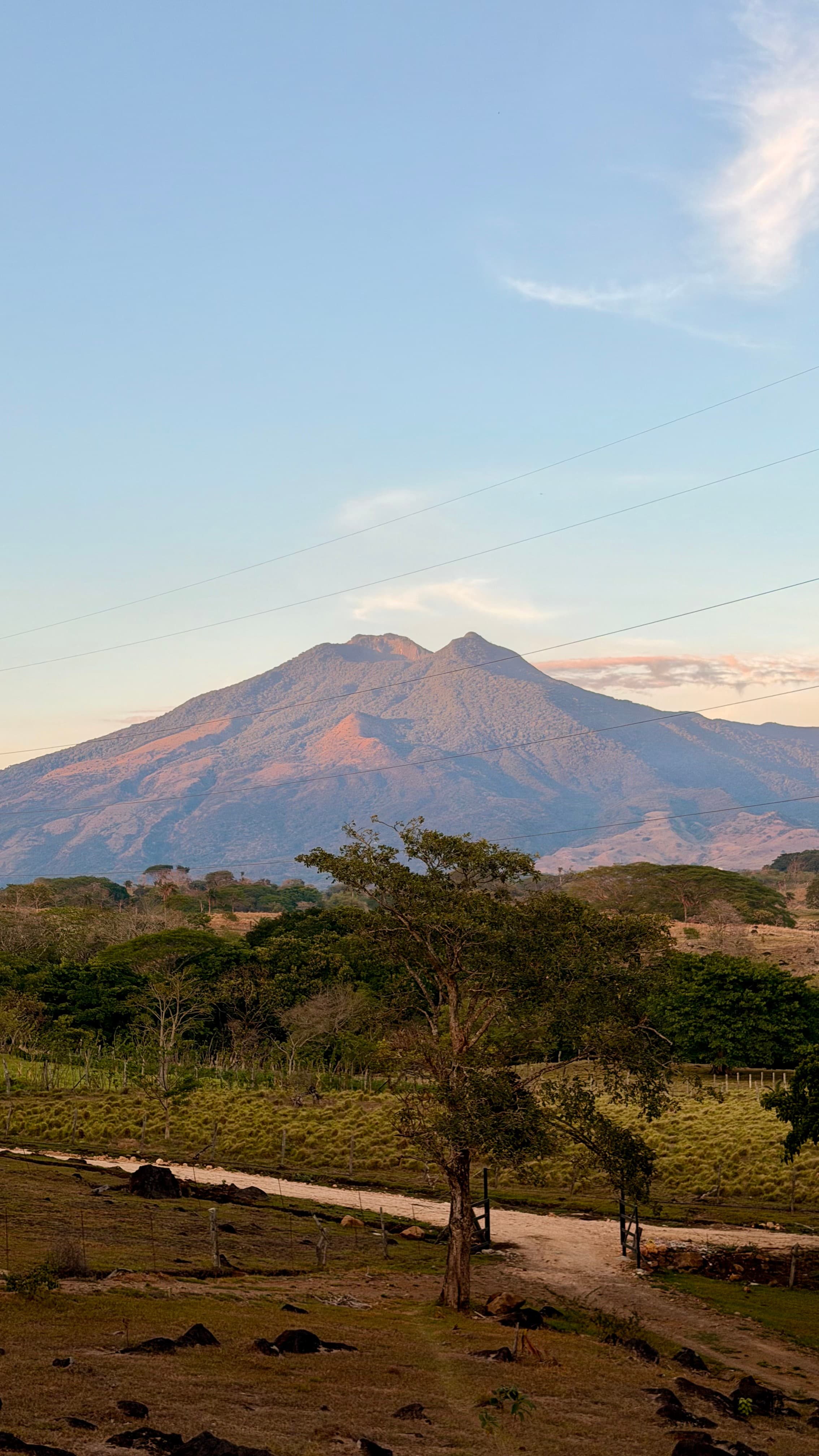
From volcanic landscape to clean energy

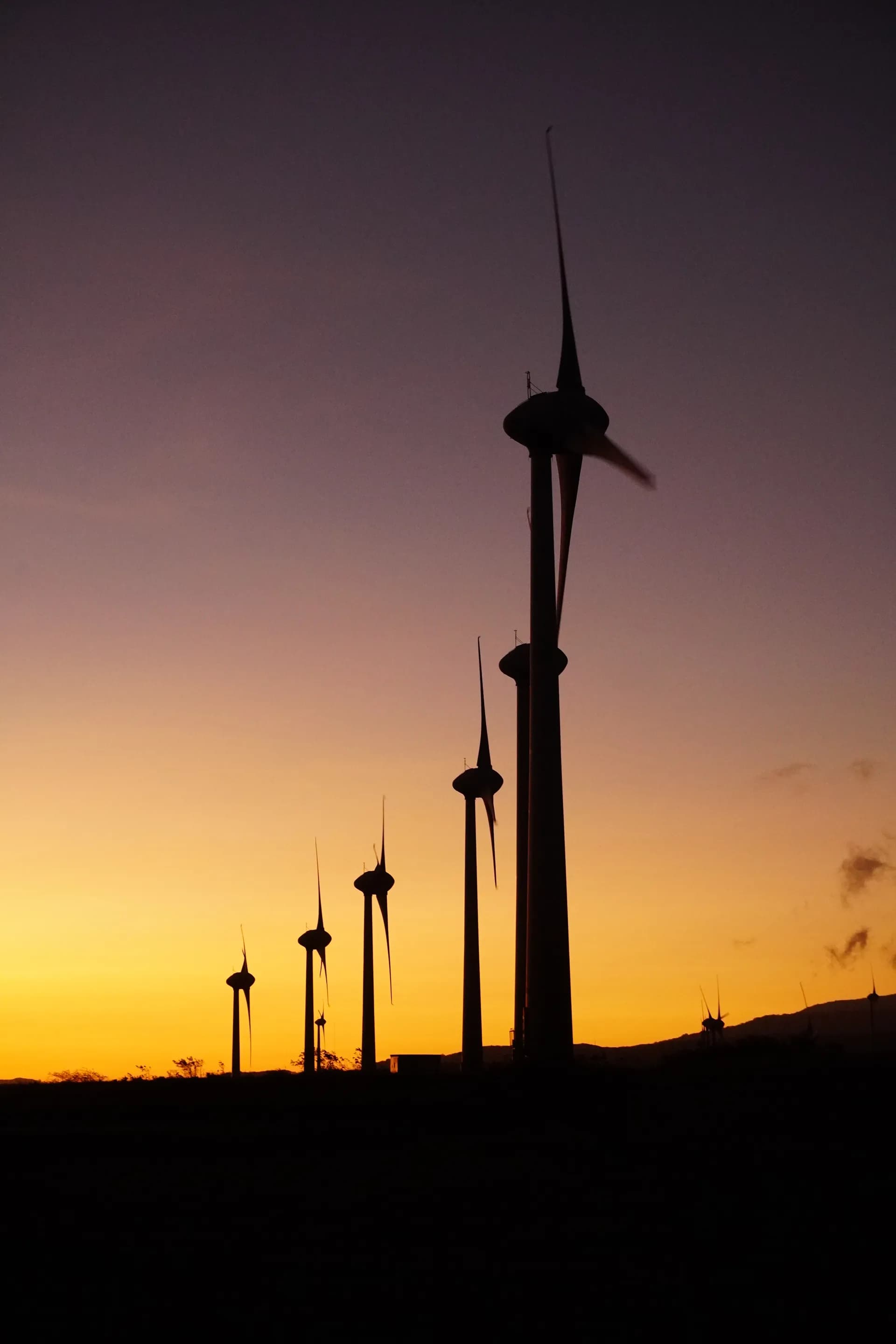
In the late 1970s, ICE began studying and developing the area's geothermal potential. Since then, the volcanic landscape has not only been seen as mountains, but also understood as a living source of clean energy.

That story adds another layer to the trip: here tourism, science, rural community, and a very Costa Rican way of turning volcanic heat into development coexist.

Rincón de la Vieja and the visible force of the volcano

At Rincón de la Vieja, volcanic energy appears directly: fumaroles, steam, hot mud, springs, and trails where the ground reminds you the mountain is still active beneath your feet.

Its attractions combine adventure with reading the landscape. Walking this area shows how dry forest, streams, and geothermal points create a different experience: rougher, brighter, and deeply volcanic.

Tenorio, Río Celeste, and water as a destination

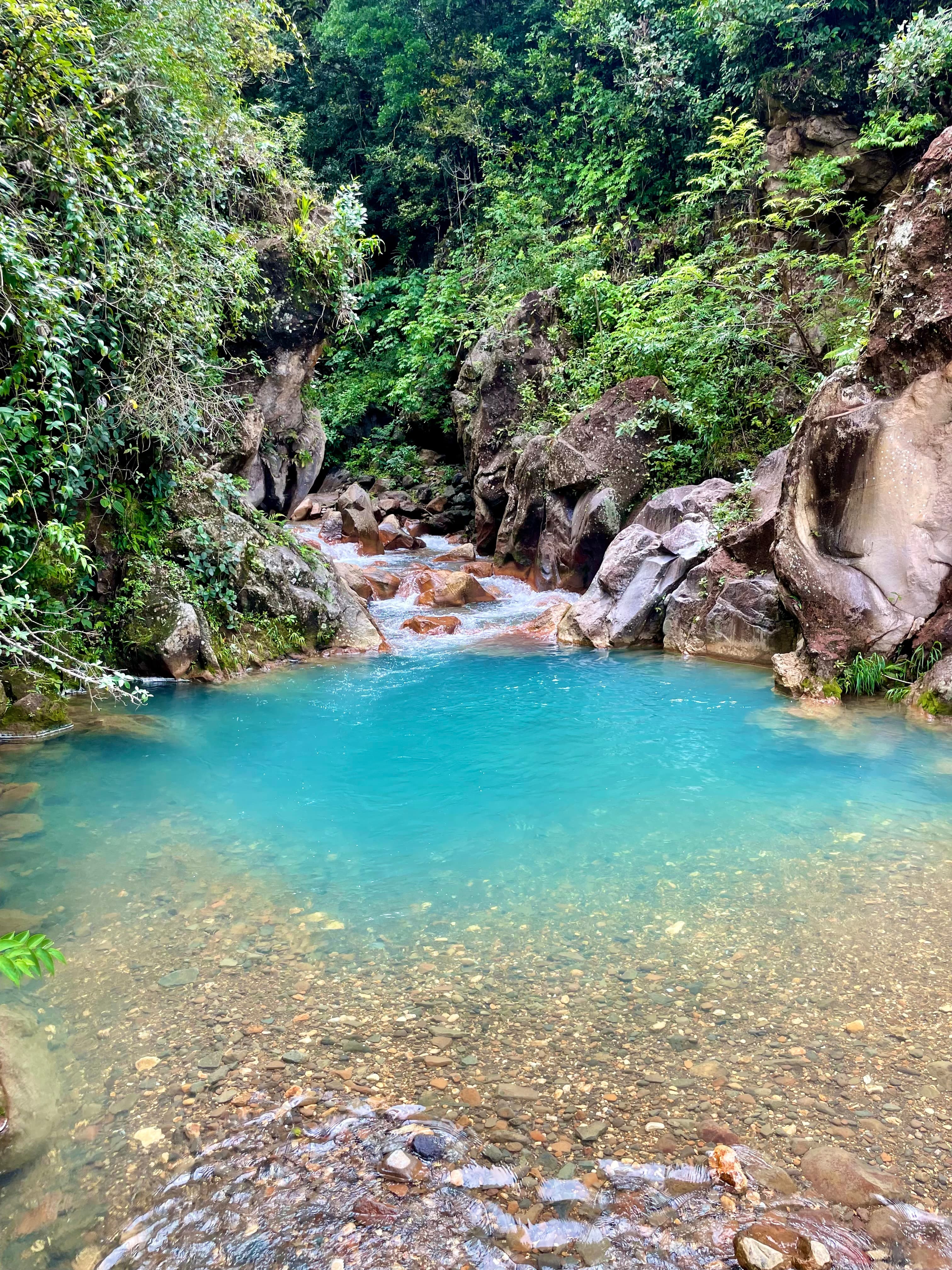
Toward Tenorio Volcano, water becomes the main character. Río Celeste, its humid trails, waterfalls, pools, and nearby forests show a cooler and more mysterious side of the natural corridor.

Here the attraction is not only reaching a famous spot, but feeling the environment shift: the temperature drops, the forest closes in, sounds multiply, and the journey begins to feel slower.

A corridor of routes, communities, and hot springs

Between Miravalles, Tenorio, and Rincón de la Vieja, attractions do not stand alone. They are connected by rural roads, viewpoints, hot springs, waterfalls, restaurants, farms, and communities that give meaning to the route.

Planning the visit as a corridor makes for better travel: combining rest and hiking, stopping at local businesses, choosing low-impact routes, and understanding that each stop adds a different part of the region.