Raíz VolcánicaRaíz Volcánica

Flora y fauna

The biodiversity that brings this volcanic territory to life

Forests, birds, mammals, and tropical plants make the area a living classroom for visitors and communities.

A living corridor between mountain and lowland

The biodiversity of this territory appears in layers: trees that hold shade and humidity, birds crossing between farms and forest, insects announcing the afternoon, and mammals reminding us the region is still home to many species.

Observing flora and fauna here is not just checking names off a list. It is learning to read signs in the landscape and travel with more respect for the region's natural rhythms.
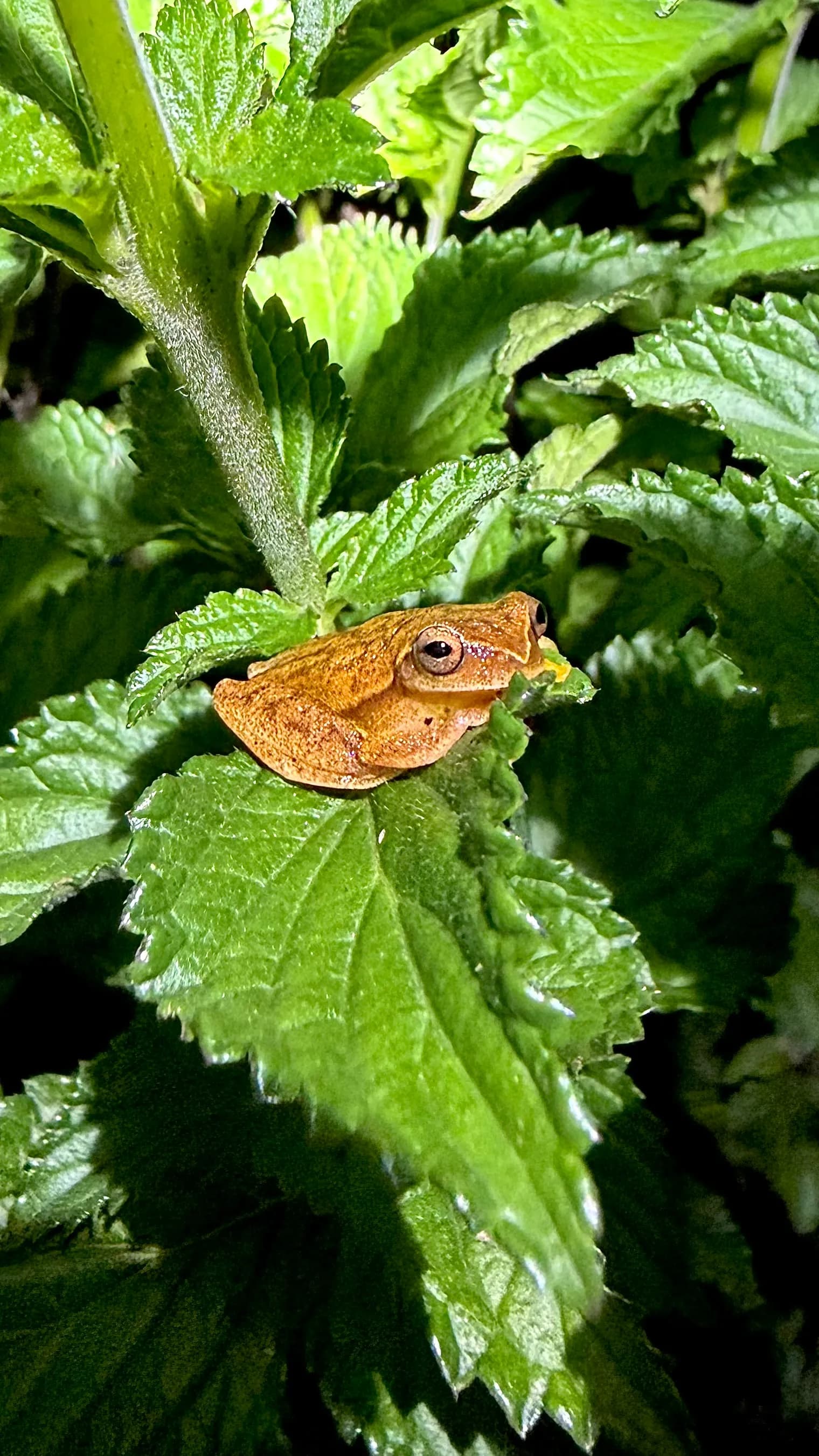
Ancient names, water, and unique species

In this territory, ancient names, colored rivers, humid forest, and volcanic soil tell a story that changes tone with every step.

The tree frog Tlalocohyla celeste was also discovered between Tenorio and Miravalles volcanoes and scientifically described in 2022. Its presence reminds us the region still shelters small, discreet, valuable species that depend on well-preserved humid habitats.

National parks for observing wildlife

Miravalles-Jorge Manuel Dengo National Park protects part of the volcanic environment, while Río Celeste belongs to Tenorio Volcano National Park. Together they draw a natural route where visitors can move from fumaroles and montane forest to blue waters and humid trails.

In these landscapes, wildlife observation asks for patience: birds in the canopy, tracks in the mud, butterflies in patches of light, and, with luck, mammals moving away from noise. The best experience happens when you walk slowly and keep your distance.

Rincón de la Vieja: heat, forest, and transition

Toward Rincón de la Vieja, the landscape shows another face of the volcanic territory: hot soils, fumaroles, streams, dry forest, humid areas, and trails where vegetation changes with elevation and wind exposure.

That mix creates different refuges for birds, small mammals, reptiles, insects, and resilient plants. Visiting it helps explain that regional biodiversity does not live in one type of forest, but in the transition between many environments.

Corridors connecting farms, rivers, and mountains

Between Miravalles, Tenorio, and Rincón de la Vieja, wildlife also depends on the spaces in between: living fences, riverbanks, forest patches, coffee fields, tree-covered pastures, and rural roads that still hold shade.

These corridors allow species to move, find food, and maintain natural cycles. That is why conservation does not happen only inside parks: it is also built through everyday community decisions.

Water that sustains life in the north

Rivers, springs, waterfalls, small wetlands, and cool streams link the territory like a living network. Where water appears, the sounds change: birds, amphibians, insects, ferns, and trees that need constant moisture arrive.

Protecting those sources protects the visitor experience and daily life in the region. Water does not only beautify the landscape: it sustains forests, crops, communities, and many species rarely seen at first glance.